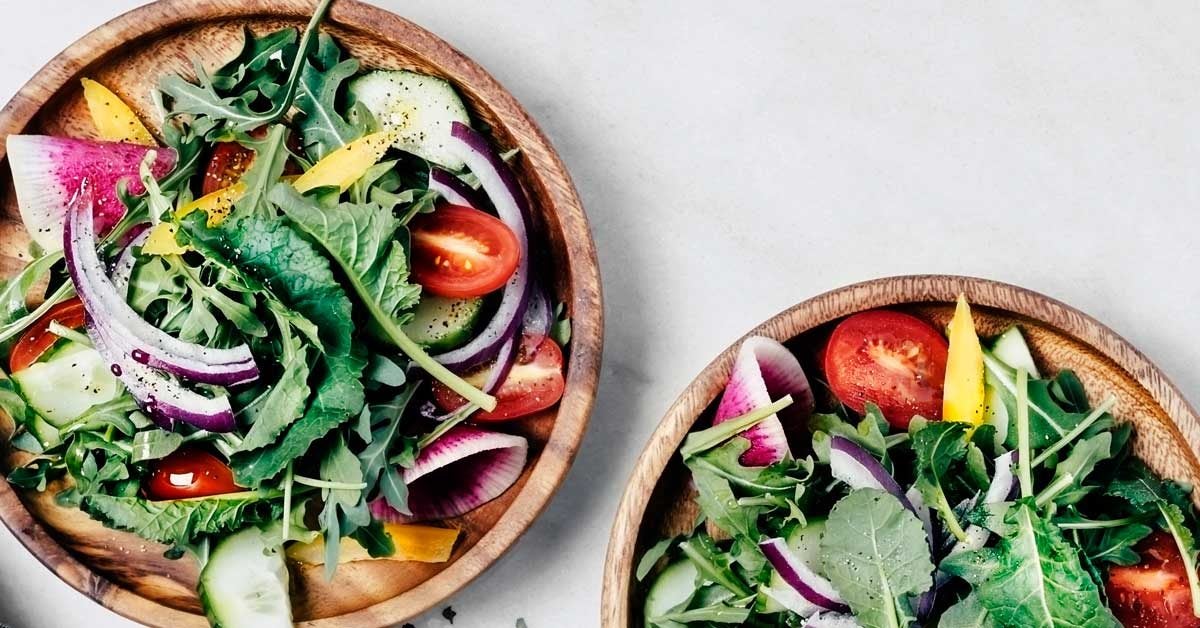
 Quercetin is a natural pigment present in many fruits, vegetables, and grains. This article explores quercetin’s uses, benefits, side effects, and dosage.
 Quercetin is the aglycone form of a number of other flavonoid glycosides, such as rutin (also known as quercetin-3-O-rutinoside) and quercitrin, found in citrus fruit, buckwheat, and onions. [2]
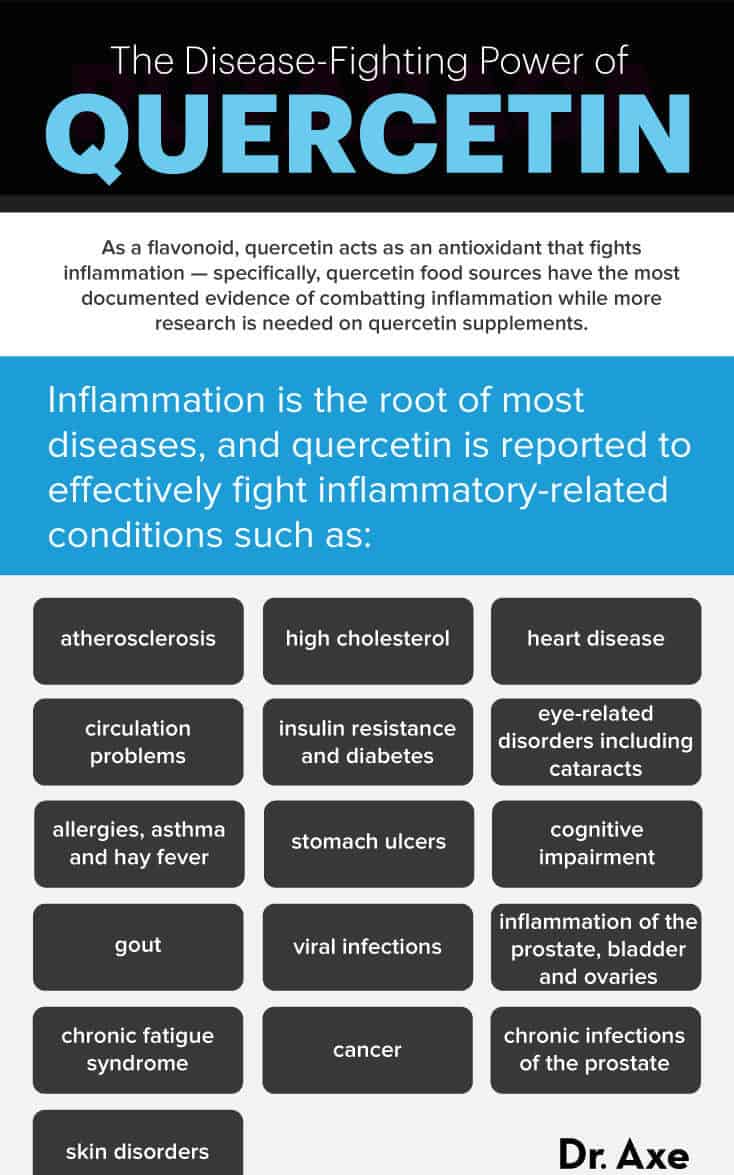 What Is Quercetin? Quercetin is a type of flavonoid antioxidant that’s found in plant foods, including leafy greens, tomatoes, berries and broccoli. It’s technically considered a “plant pigment,” which is exactly why it’s found in deeply colored, nutrient-packed fruits and vegetables.
/the-benefits-of-quercetin-89071-primary-recirc-437e098935304998960ad98fe0e1c692.jpg) Quercetin is a plant chemical found in foods like apples, onions, and teas. Quercetin may help lower blood pressure and reduce inflammation, but more research is needed. Quercetin supplements can interact with many medications, so talk to a healthcare provider before using them.
Quercetin is a plant chemical found in foods like apples, onions, and teas. Quercetin may help lower blood pressure and reduce inflammation, but more research is needed. Quercetin supplements can interact with many medications, so talk to a healthcare provider before using them.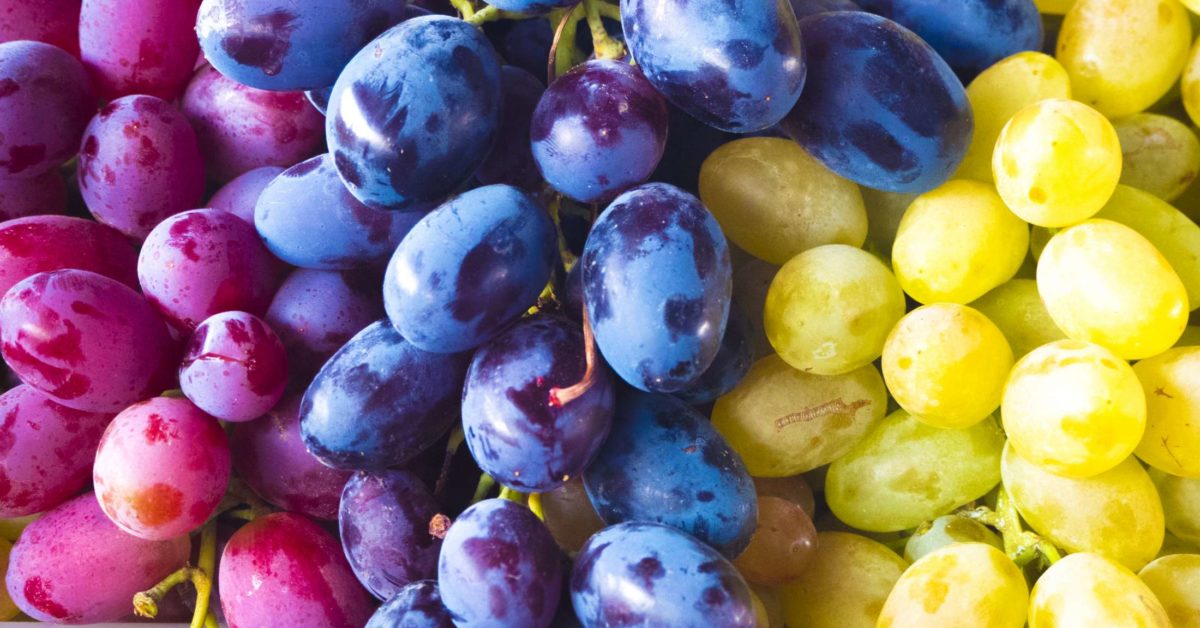 Quercetin is a pigment in many plants, fruits, and vegetables. Quercetin has powerful antioxidant properties and may help protect against certain health conditions, including heart disease.
 Quercetin is an antioxidant in many fruits and vegetables. You can also take quercetin supplements. Here’s how much quercetin you need, what it’s good for, and info on its safety profile.